2015
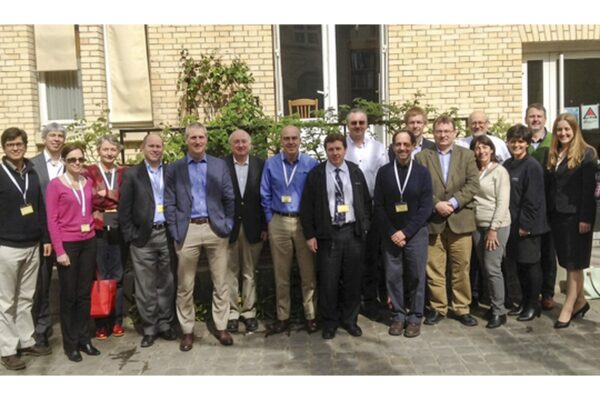
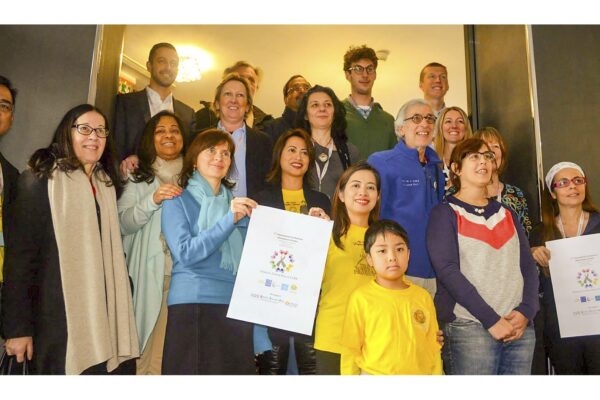
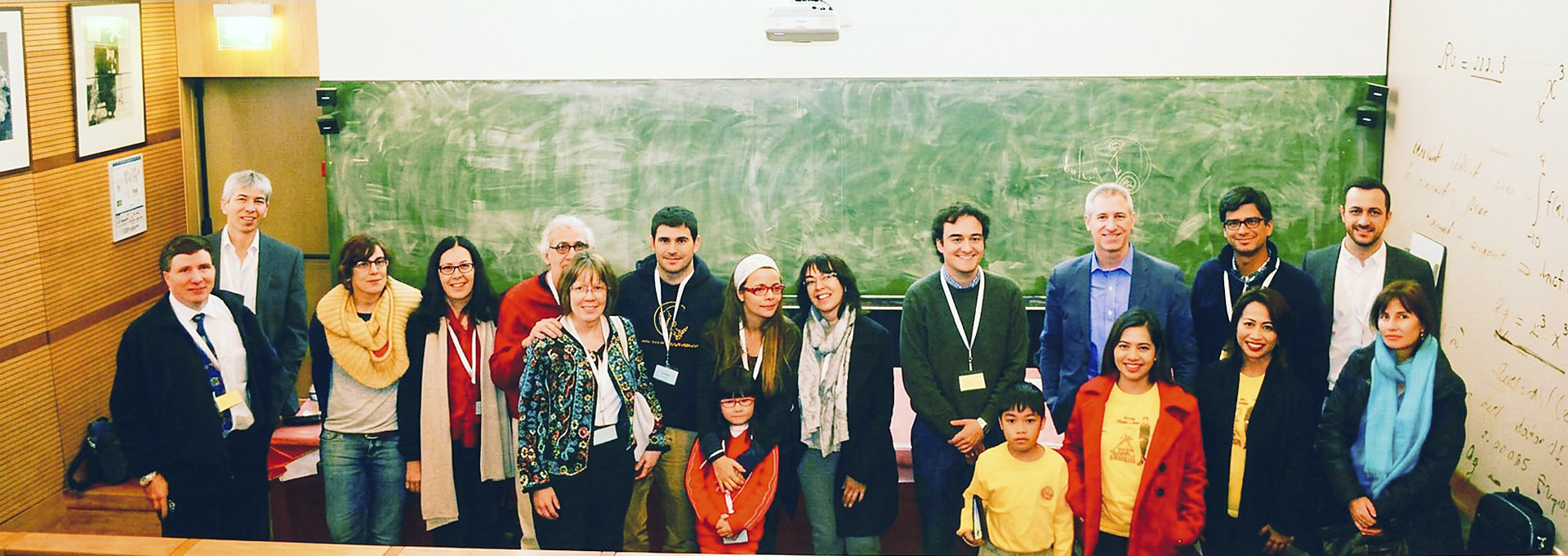
The First International Gliomatosis Cerebri (GC) Conference brought together leading physicians, researchers, family advocates, and foundations from Europe and North America for two days of collaboration focused on advancing the understanding of Gliomatosis Cerebri.
Organized and supported by several GC family foundations, the conference united experts from pediatric and adult neuro-oncology centers to address the urgent need for greater knowledge, research, and treatment options for this devastating disease.
Gliomatosis Cerebri (GC) is a rare and universally fatal condition characterized by the diffuse infiltration of brain tissue by glial tumor cells. At the time, many aspects of the disease remained poorly understood, creating a critical need for international collaboration and research.
Medical and Research Discussions
The conference provided a forum for physicians, scientists, and clinical researchers to evaluate current knowledge and identify opportunities for future collaboration.
Key areas of focus included:
- Refining clinical and radiologic diagnostic criteria for GC
- Establishing recommendations for diagnostic procedures
- Standardizing tissue collection and molecular characterization
- Prioritizing collaborative preclinical research initiatives
- Identifying opportunities for translational and clinical research
- Developing general treatment recommendations for pediatric patients
These discussions laid the groundwork for future international research efforts and strengthened collaboration among institutions dedicated to improving outcomes for patients diagnosed with GC.
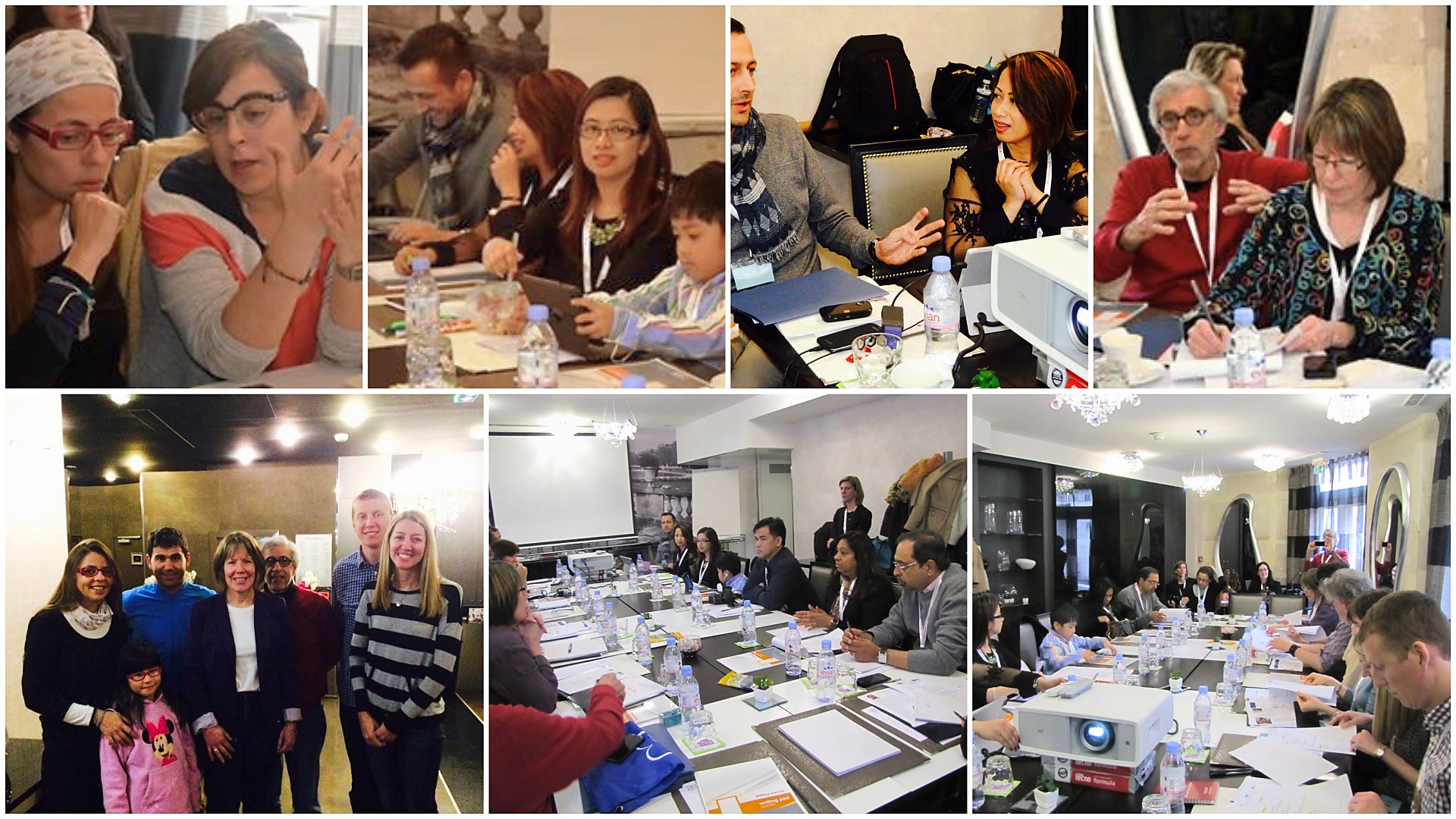
Families and Foundation Discussions
Families and family foundations played a central role in the meeting, bringing together advocates united by a shared commitment to advancing research and supporting those affected by Gliomatosis Cerebri.
The discussions focused on:
- Building a stronger international GC community
- Strengthening partnerships between families, foundations, and researchers
- Creating sustainable funding opportunities for research initiatives
- Supporting awareness, advocacy, and education efforts
- Ensuring that families remain active partners in advancing the field
For many participants, this was the first opportunity to connect with a global network of families facing similar challenges, creating bonds that would continue well beyond the conference.

